Lore database • Updated June 25, 2026
What Is the Everywhen in God of War Laufey?
The Everywhen is the new afterlife setting at the center of God of War Laufey. This guide explains what official sources have said, why Faye wakes there after her funeral, and which details are still speculation.
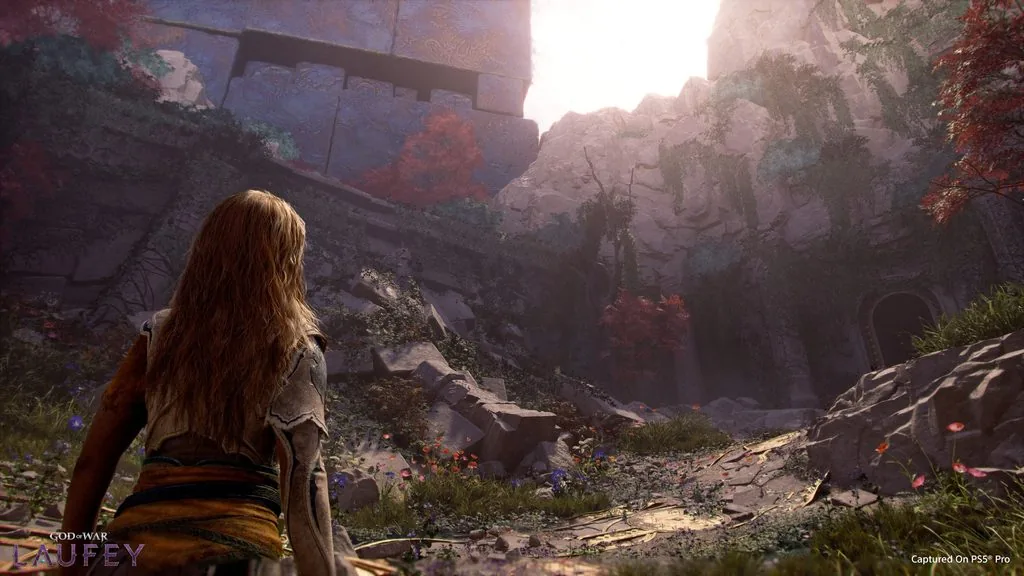
Quick answer
The Everywhen is the afterlife of the gods and the new realm Faye must cross
In God of War Laufey, the Everywhen is described by official PlayStation Blog material as the afterlife of the gods. It is not presented as a normal Norse realm, a simple version of Valhalla, or a generic underworld. It is a higher, stranger place where divine figures, creatures, and magic from multiple mythologies can converge.
The premise matters because Faye, also called Laufey, wakes there after her funeral. The protections she created for Kratos and Atreus are threatened, so the Everywhen becomes more than a backdrop. It is the reason a story that begins after death can still affect the living family she left behind.
The safest canon boundary is this: the Everywhen is confirmed as the central new setting, the source and endpoint of magic in the official description, and the place where Faye's post-funeral mission begins. Exact map regions, bosses, collectibles, traversal rules, and full mythology roster should stay unconfirmed until PlayStation or Santa Monica Studio shows them directly.
- Confirmed role
- Central setting in God of War Laufey
- Official description
- Afterlife of the gods
- Story trigger
- Faye wakes there after her funeral
- Canon boundary
- Specific regions and bosses remain incomplete
Canon map
What is confirmed about the Everywhen?
Everywhen searches often mix official wording, fan-wiki summaries, and theory. This table keeps the useful facts separate from guesses.| Topic | Confirmed answer | Boundary to keep |
|---|---|---|
| What is the Everywhen? | It is the afterlife of the gods and the main new setting for God of War Laufey. | It should not be treated as identical to Valhalla, Helheim, or one known mythology's underworld unless official material says so. |
| Why is Faye there? | Official material says she awakens after her funeral and learns her protections for Kratos and Atreus are at risk. | The exact mechanism of her death, return, or passage into the Everywhen is not fully explained yet. |
| Can multiple mythologies appear? | The reveal discusses gods and creatures from different mythologies gathering in the Everywhen. | A named pantheon should not be listed as playable, explorable, or complete until shown in official footage or text. |
| Is magic important there? | Santa Monica Studio frames the Everywhen as deeply tied to magic's origin, return, and disruption. | Exact combat systems, spell trees, and upgrade names remain unverified. |
| Is it a full open world? | No official source in this site's current source set confirms a full open-world structure. | Treat map size, region count, and traversal format as unknown. |
Visual guide
How to picture the Everywhen without inventing fake gameplay
The article uses one official-source image already tracked by the site and one clearly labeled concept explainer.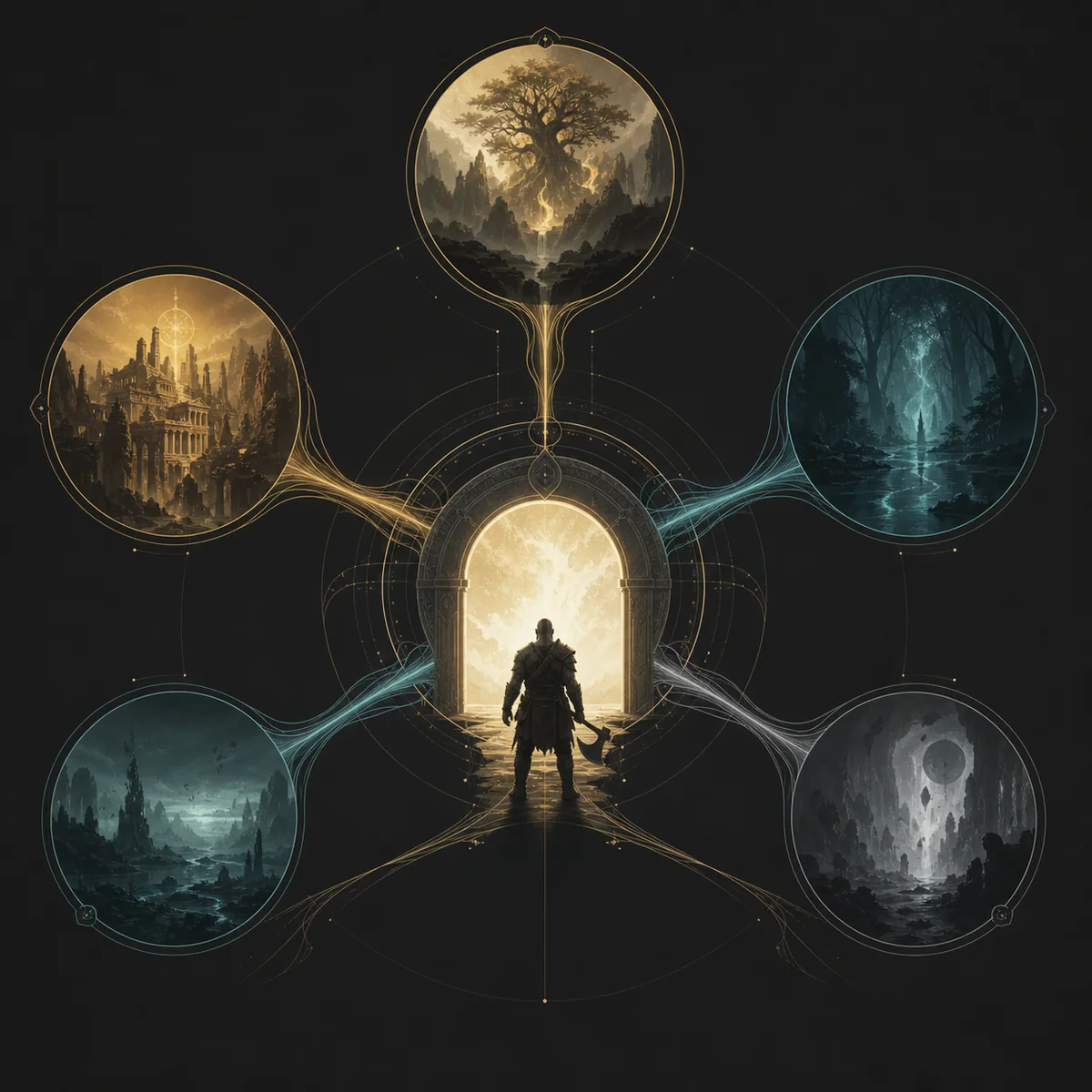
Think of it as a crossroads for gods, not a normal realm list
The Everywhen is useful because it lets God of War Laufey connect the personal Faye story with a wider mythological stage. It can hold dead gods, strange creatures, broken magic, and visitors from more than one tradition without forcing the story into a single realm map.
That does not mean every god or mythology is automatically confirmed. The page keeps the broad setting idea in the body text and waits for official media before adding named areas or boss pages.

The official reveal ties the setting directly to Faye
The Everywhen is not just background scenery. It is the place where Faye's new playable story starts, which makes it inseparable from her mission to protect Kratos and Atreus.
For future updates, screenshots, trailers, or PlayStation Blog posts should be added next to the section they support rather than used as generic decoration.
Story role
Why the Everywhen matters to the God of War Laufey story
The strongest reading is that the Everywhen gives the game a way to continue Faye's story without undoing the grief that begins God of War (2018).It keeps Faye's death meaningful while giving her agency
Faye's death begins God of War (2018), and that emotional starting point should not be erased. The Everywhen allows a different kind of continuation: Faye can become the active protagonist after the funeral while the earlier journey of Kratos and Atreus remains intact.
That distinction is important for readers. God of War Laufey is not simply saying Faye was never dead. Official wording points to an after-death setting, which means the story can explore what death means for gods, Giants, and magic rather than pretending the funeral did not matter.
It expands mythology without abandoning the family stakes
A setting called the afterlife of the gods could easily become an excuse for disconnected cameos. The announced premise keeps the focus tighter: Faye is there because something threatens the protections she left for Kratos and Atreus.
That family link gives the Everywhen a practical story job. Every new region, enemy, and magical rule should be judged by how it affects Faye's mission, not only by whether it adds another mythology to the list.
It creates a safe place for future wiki expansion
The Everywhen is a strong hub topic because many future searches will likely branch from it: locations, bosses, gods, creatures, magic, companions, and combat mechanics. A focused lore database can collect those updates without overloading the homepage.
For now, the page remains conservative. It explains the confirmed premise, names the figures already mentioned in official material, and leaves placeholders in prose rather than inventing region pages before they are supported.
Known figures
Characters and forces already tied to the Everywhen
These entries are included because current official material or the site's existing source set already connects them to the new game context.Faye / Laufey
Faye wakes in the Everywhen after her funeral and becomes the playable center of the new story. Her mission is tied to protecting Kratos and Atreus.
Phranque
Phranque is described in the site's source set as a curious cosmic cube companion. The Everywhen setting gives that stranger companion concept a natural home.
Rue
Rue is described as an enchanted ribbon guardian tied to a powerful sword, which fits the official emphasis on magic, weapons, and unusual allies.
Sekhmet and Begtse
The reveal points to named mythological figures such as Sekhmet and Begtse. Treat them as known points of interest, not a complete boss roster.
Timeline
Where the Everywhen fits in the God of War timeline
The cleanest timeline separates Faye's life in the released games, her funeral, and the new afterlife premise.
Faye prepares protections for her family
The older games show that Faye's plans shaped Kratos and Atreus' journey. God of War Laufey adds that those protections become endangered after her funeral.
Her death sends Kratos and Atreus on the ashes journey
The funeral remains the emotional anchor. The Everywhen page does not change the canon-safe answer that her exact death cause is still unnamed.
Faye awakens in the Everywhen
The new game begins after death and uses the Everywhen to turn Faye from remembered legacy into an active protagonist.
Regions, bosses, and rules can be added when official
Once trailers, store pages, or developer posts confirm more, this database should add dated entries with source links.
Sources
How this Everywhen guide handles sources
This page uses official PlayStation Blog wording for the Everywhen premise and the site's existing God of War Laufey source trail for Faye, companions, platform status, and release boundaries.
Fan wikis and theory videos can be useful for seeing what players are asking, but this page does not treat community speculation as confirmed lore. New details should be added only when they can be tied to PlayStation, Santa Monica Studio, the official game page, or direct game footage.
Source rule
- Confirmed: Everywhen is the afterlife of the gods.
- Confirmed: Faye wakes there after her funeral.
- Confirmed: the setting connects multiple mythological forces.
- Unconfirmed: complete map, full boss list, collectibles, trophies, and exact combat upgrades.
- Update only with dated official sources.
FAQ
Everywhen FAQ
What is the Everywhen in God of War Laufey?
The Everywhen is the afterlife of the gods and the central new setting for God of War Laufey. Faye wakes there after her funeral.
Is the Everywhen the same as Valhalla?
No official source says it is the same as Valhalla. It is described more broadly as the afterlife of the gods and appears to connect multiple mythological forces.
Why does Faye go to the Everywhen?
Official material says Faye awakens after her funeral and learns the protections she left for Kratos and Atreus are threatened. The exact mechanics of her passage are not fully explained.
Will the Everywhen include other mythologies?
Official descriptions point to gods and creatures from multiple mythologies gathering there. Specific playable areas or full pantheon lists should wait for official confirmation.
Is there gameplay footage of the Everywhen?
The current wiki boundary is source-first. Screenshots, trailers, or hands-on footage should be added when official material makes a region, enemy, or traversal rule clear.
Does the Everywhen explain how Faye died?
Not by itself. It confirms that the new game begins after her funeral, but the exact cause of Faye's death remains unconfirmed in the current source set.