Gods and pantheons guide • Updated July 16, 2026
God of War Laufey Gods: Confirmed Figures and Pantheons
God of War Laufey moves beyond a single mythology. This source-checked guide separates the official multi-pantheon premise from visual identifications such as Begtse and Sekhmet, unnamed figures in the reveal, and fan theories that are not yet canon.
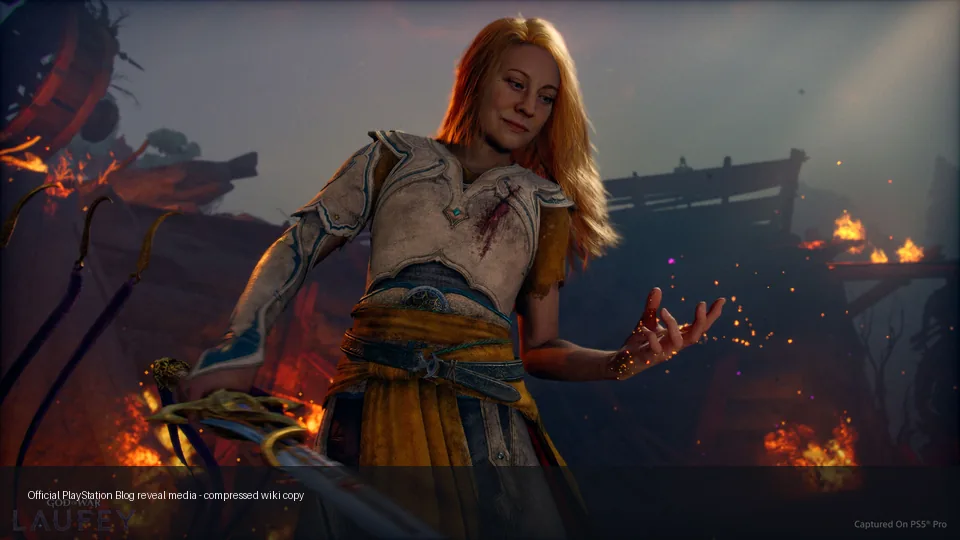
Quick answer
Which gods are in God of War Laufey?
PlayStation officially describes the Everywhen as an afterlife of the gods and says Faye will meet beings from a host of mythologies. That confirms a multi-pantheon roster, but it does not yet provide a complete named list of gods, bosses or allies.
The reveal contains figures widely identified as Begtse, a war deity associated with Tibetan Buddhism, and Sekhmet, the lioness-headed Egyptian goddess. Those identifications are strongly supported by their visual design and by current coverage, yet the accessible official PlayStation copy does not label every figure by name. This page therefore marks them as visually identified rather than pretending the full cast list is official.
Other Japanese-inspired, giant and creature-like figures remain unnamed. Their mythology, role and alignment should stay open until PlayStation, Santa Monica Studio, trailers, captions or cast materials provide direct confirmation.
- Official premise
- Gods from multiple mythologies
- Setting
- The Everywhen, afterlife of the gods
- Strong visual IDs
- Begtse and Sekhmet
- Full roster
- Not announced
Primary visual source
Watch the official gameplay reveal for the god appearances
The trailer is the best current source for comparing costumes, silhouettes, weapons and mythological visual language.Visual point 2: official PlayStation gameplay reveal. Pause on each figure, but do not infer a name, boss status or allegiance from appearance alone.
Evidence matrix
God of War Laufey gods: what is confirmed and what is not
The status column is more important than the name: it prevents a recognizable design from becoming an unsupported canon claim.| Figure or group | Mythology / source | Current evidence | Safe conclusion |
|---|---|---|---|
| Gods of the Everywhen | Multiple mythologies | PlayStation directly says Faye encounters gods and creatures from a host of mythologies in the afterlife of the gods. | Officially confirmed premise; individual identities remain incomplete. |
| Begtse-like war deity | Tibetan Buddhist tradition | A red, armored, fierce figure in reveal material closely matches the iconography commonly associated with Begtse. | Strong visual identification; wait for an explicit official name before treating every detail or role as final. |
| Sekhmet-like lioness goddess | Ancient Egyptian religion | A lioness-headed female figure strongly evokes Sekhmet, a deity linked with war, destructive power, healing and royal protection. | Strong visual identification; antagonist, ally and boss status are unconfirmed. |
| Japanese-inspired armored figure | Japanese mythology or religious imagery | The reveal includes a figure whose armor and visual language suggest a Japanese source, but a precise deity name is not supplied. | Mythological region is plausible; exact identity is unknown. |
| Giant and serpent-like beings | Unspecified mythologies | Large humanoid and creature silhouettes demonstrate the Everywhen's broad mythic scope. | Confirmed as visible beings, not confirmed as named gods or bosses. |
| Faye / Laufey | God of War's Norse saga | Faye is the playable Jotunn lead entering a realm where dead gods and mythic creatures can cross paths. | Official protagonist; her relationship to each pantheon is part of the new story. |
Pantheon map
Why the game can connect Tibetan, Egyptian, Japanese and Norse traditions
The Everywhen is a narrative crossing point, not proof that every mythology shares one historical family tree.The Everywhen connects dead gods
The official premise gives the story permission to bring deities and creatures from different traditions into one afterlife without rewriting each source mythology as a single canon.
Visual resemblance is evidence, not a final name
Iconography can support an identification, but captions, official articles, dialogue, trophies or cast listings should settle the exact name and role.
Faye may fight, help or negotiate
A trailer confrontation does not automatically make a figure the main villain. The gods may be enemies, allies, guardians, prisoners or temporary obstacles.
Official visual context
Read the gods through the setting and the reveal footage
These images are existing compressed editorial copies of official PlayStation media, not generated gameplay or fabricated character art.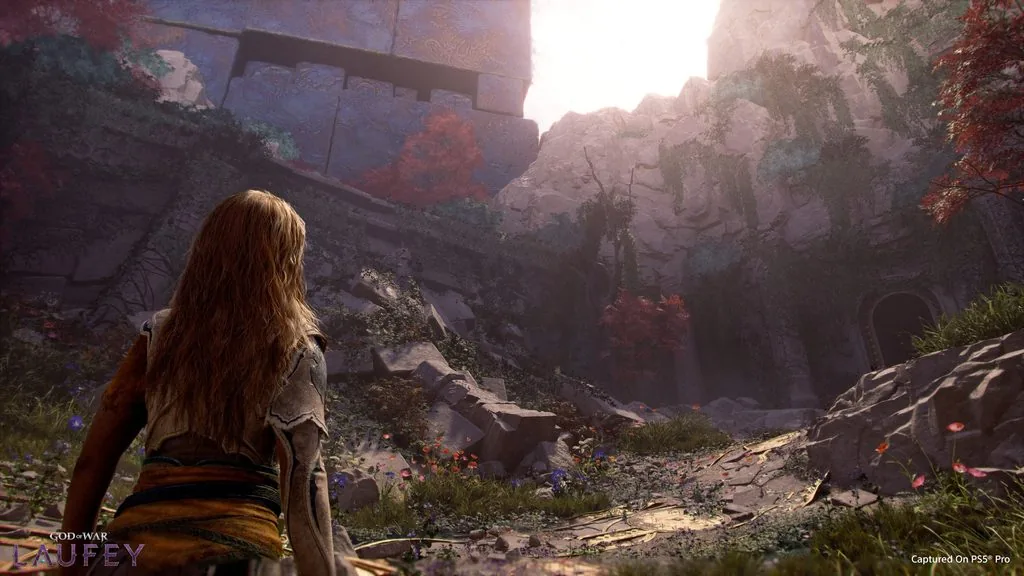
The Everywhen explains the mixed pantheons
The afterlife setting is the strongest canon reason that figures from distant traditions can appear together. It is safer to describe a shared destination for dead gods than to claim their original myths have been merged.
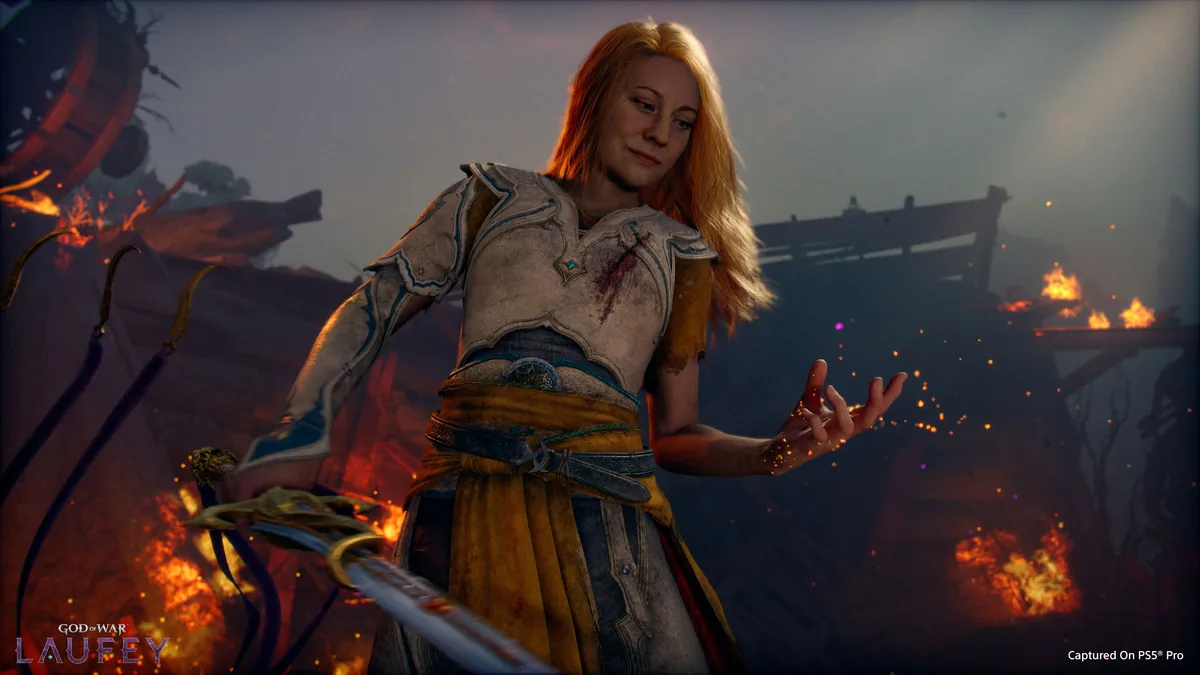
The gameplay reveal supplies visual evidence, not a full encyclopedia
Costumes, animal features, colors, weapons and silhouettes can narrow an identification. They cannot yet confirm encounter order, boss phases, motives, dialogue or whether the design changes before launch.
Source-safe interpretation
Begtse, Sekhmet and the unnamed gods need different confidence labels
Begtse and Sekhmet are useful search terms because their designs are distinctive and multiple current guides use those names. A responsible wiki should still show readers why the identification is persuasive and where the official naming gap remains. That distinction protects the page from turning early promotional imagery into false certainty.
The same caution applies to pantheon labels. Egyptian visual language can be clear without proving that every Egyptian deity will appear. Japanese-inspired armor can point toward a tradition without proving a specific kami, Buddhist guardian or historical figure. The safest page structure starts with what PlayStation confirms, then grades visual evidence, then isolates theories.
This page does not compete with the Everywhen guide, which explains the realm itself, or the gameplay guide, which covers Faye's combat systems. Its job is entity identification: who the visible divine figures may be, which mythologies they evoke, and how certain each claim is.
Update checklist
What would change the God of War Laufey gods list?
The page should be updated when a first-party source moves a figure from visual identification to a named, playable or boss-level role.
PlayStation or Santa Monica Studio publishes a name
Update the evidence table, title text and FAQ only when the source clearly connects the name to the on-screen figure.
A trailer or article states ally, villain or boss status
Keep combat encounters separate from narrative alignment until dialogue or official copy establishes the role.
New mythology is directly identified
Add a new section only when there is enough information to explain the figure, source tradition and relevance without padding.
The final game, credits and codex become available
Replace promotional-era labels with in-game names, codex wording and spoiler-aware encounter details after release.
Sources and boundaries
Use first-party material for canon and mythology references for context
The official PlayStation game page and gameplay reveal establish the Everywhen, Faye's mission and the multi-mythology premise. They are the canon layer for this article.
Mythology references can explain why a design resembles Begtse or Sekhmet, but they cannot confirm Santa Monica Studio's final character name, personality or plot role. Community and media identifications are useful leads, not substitutes for first-party naming.
Confidence labels used here
- Officially confirmed: stated by PlayStation or shown without identity dispute.
- Strong visual identification: design closely matches a known figure, but explicit naming is still missing.
- Unidentified: visible, yet the exact deity, mythology or role remains open.
- Speculation: a theory that should not be written as fact.
Gods FAQ
Questions about the God of War Laufey pantheons
Who are the gods in God of War Laufey?
PlayStation confirms gods and creatures from multiple mythologies, but has not published a complete named roster. Begtse and Sekhmet are strong visual identifications; several other figures remain unnamed.
Is Begtse confirmed in God of War Laufey?
A reveal figure strongly resembles Begtse's red, armored iconography, and current coverage commonly uses that name. Until first-party copy labels the figure directly, the safest status is strong visual identification rather than fully named official character.
Is Sekhmet in God of War Laufey?
A lioness-headed female deity in the reveal strongly evokes the Egyptian goddess Sekhmet. Her exact name, allegiance and boss status have not all been directly confirmed in the accessible official copy.
What pantheons are in God of War Laufey?
The reveal supports Norse, Tibetan Buddhist, Egyptian and Japanese-inspired visual traditions. Only the broad multi-mythology premise is official; the final pantheon list is not complete.
Are all the gods enemies or bosses?
No. The official premise says Faye encounters gods and creatures, but a visible confrontation does not prove every figure is a villain or boss. Some may be allies, guardians, rivals or story-specific obstacles.
Does God of War Laufey leave Norse mythology?
The game still centers Faye, a major Norse-saga figure, but the Everywhen lets the story meet beings from other traditions. It expands beyond a purely Norse roster without erasing Faye's existing history.
Will this list change before release?
Yes. New trailers, official articles, cast announcements, trophy data and the final in-game codex may confirm names or overturn current visual identifications. The page records its update date for that reason.