Character evidence guide
God of War Laufey Sekhmet: Confirmed Facts & Myth
A source-first explanation of the Egyptian figure shown with Begtse, what PlayStation actually confirms, how the mythological Sekhmet helps interpret the design, and which boss, ally, and story claims remain speculation.
Quick answer
God of War Laufey Sekhmet is confirmed as a known figure, but her exact role is not
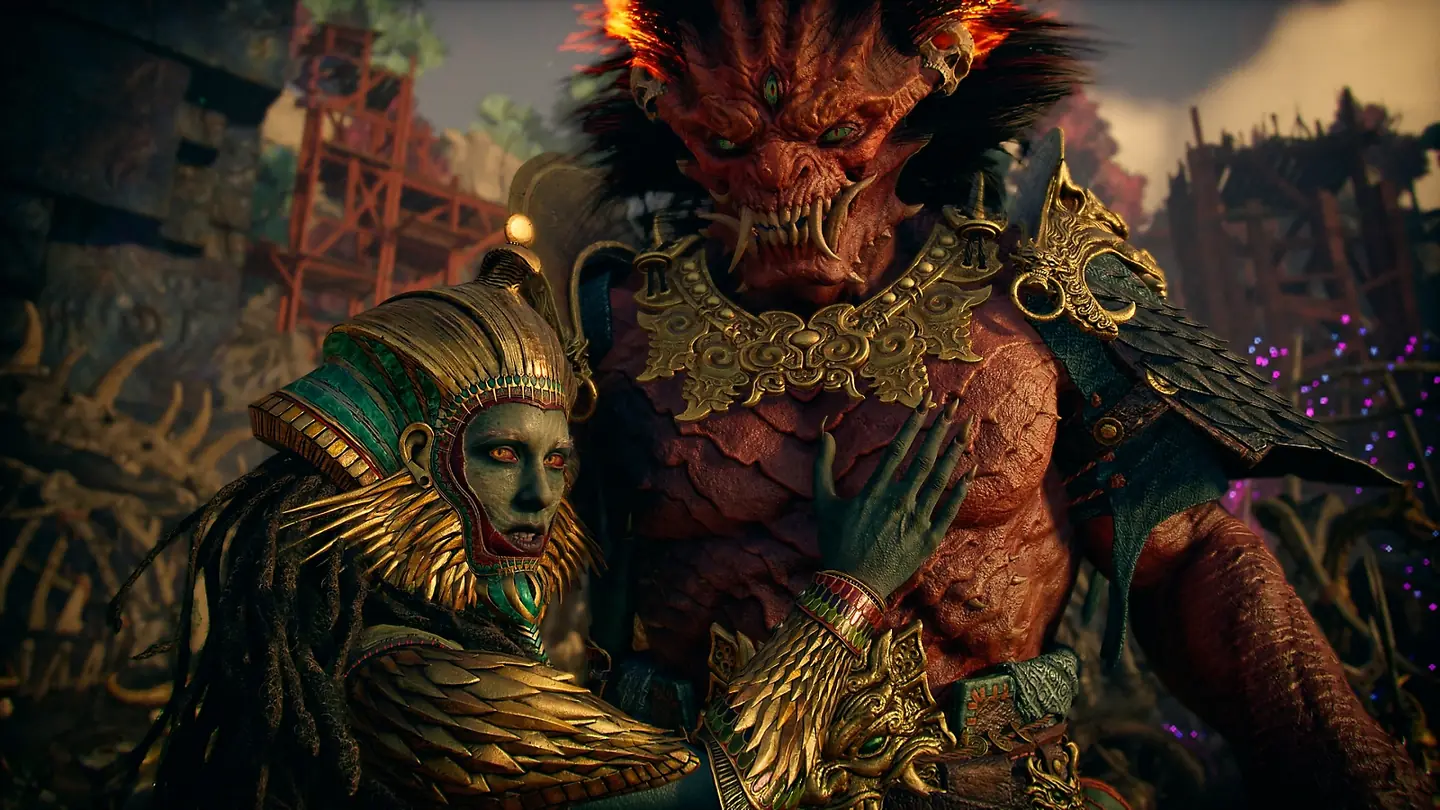
God of War Laufey Sekhmet refers to the Egyptian-styled divine figure identified in PlayStation's first-look material and shown beside Begtse. The official reveal supports her presence in the Everywhen, a setting where multiple divine afterlives and mythologies intersect. It does not yet establish whether she is a boss, ally, ruler, quest giver, companion, or long-term antagonist.
The safest reading is therefore two-layered. In game evidence, Sekhmet is a named mythological figure whose visual design links the new story to Egypt. In traditional Egyptian religion, Sekhmet is a lioness-associated goddess connected with destructive heat, war, protection, healing, and royal power. Those older attributes make her appearance meaningful, but they are context rather than a complete plot leak.
- Game
- God of War Laufey
- Figure
- Sekhmet
- Mythology
- Ancient Egyptian
- Role status
- Present; exact function unannounced
Evidence table
What is confirmed about God of War Laufey Sekhmet?
This table separates direct first-party evidence from reasonable context and unsupported conclusions.| Claim | Evidence | What it means | Status |
|---|---|---|---|
| Sekhmet appears in God of War Laufey | PlayStation first-look material | The official article names Sekhmet among the mythological figures Faye may encounter in the Everywhen. | Confirmed |
| The scene connects to Egypt | Official visual design and name | Her headdress, palette, jewelry, and identity create a clear Egyptian-mythology signal inside the multi-pantheon setting. | Confirmed context |
| Sekhmet is standing with Begtse | Official screenshot | The image proves shared screen context, not friendship, marriage, command structure, or a permanent alliance. | Visible; relationship unknown |
| Sekhmet is a boss or playable character | No direct first-party statement | Combat clips and dramatic framing are not enough to assign encounter type, allegiance, or playability. | Unconfirmed |
Identity layers
Three layers readers should keep separate
A clean boundary prevents myth facts, trailer interpretation, and game canon from being blended into one claim.A named figure inside the Everywhen
PlayStation uses Sekhmet as evidence that Faye's journey can cross beyond the Norse afterlife. Her confirmed value today is world-building: she shows that Egypt is part of the divine collision without revealing the full quest attached to her.
War, solar heat, protection and healing
Historical Sekhmet traditions connect the lioness goddess with fierce solar power, plague and destruction, but also protection and healing. This duality is useful context for reading her design because it supports more than a simple villain label.
Boss, ally and story arc remain unknown
The official material does not announce her actor, dialogue, faction, weapon set, encounter order, relationship to Begtse, or whether Faye fights her. Treat confident answers in these areas as theory until a direct source updates the record.
Official visual reading
What the real Sekhmet screenshots show
The two processed WebP assets below come from the official PlayStation screenshot and add no artificial labels or fabricated UI.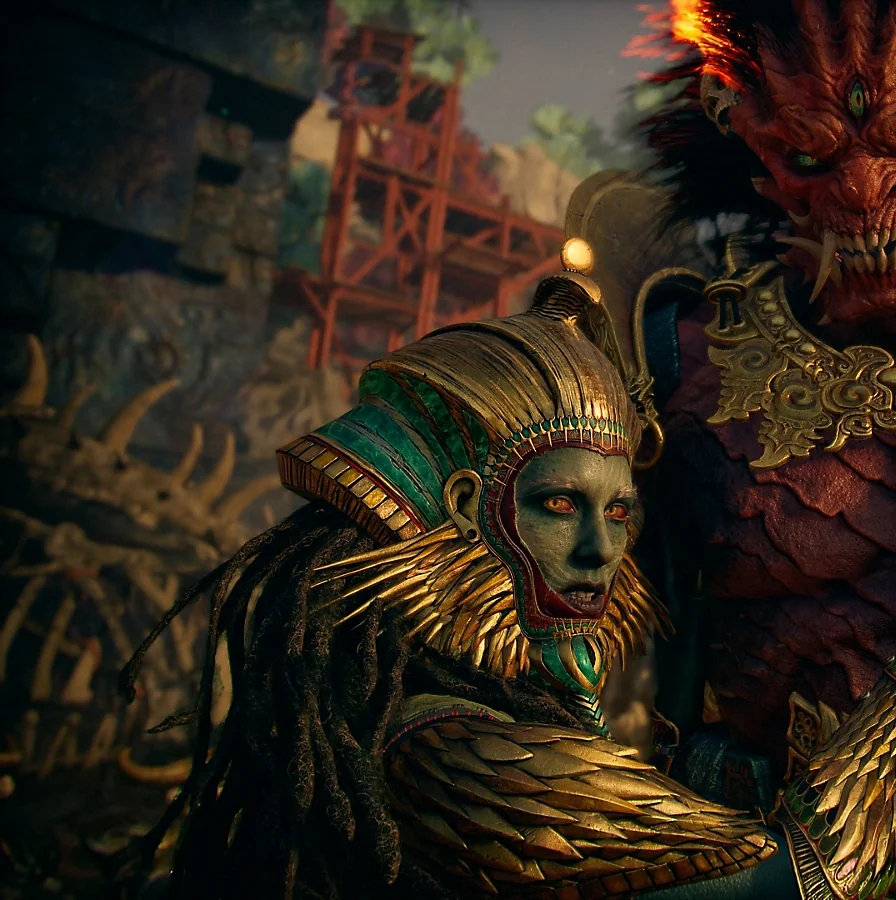
The design communicates Egypt before dialogue does
The broad collar, headdress, gold feather shapes, eye styling, and ceremonial silhouette make Sekhmet visually distinct from the Norse cast. The game is adapting rather than reproducing a museum object, so individual costume details should not be treated as exact historical evidence. Their practical function is to help players read pantheon identity quickly in a mixed afterlife.
Faye remains the point-of-view character
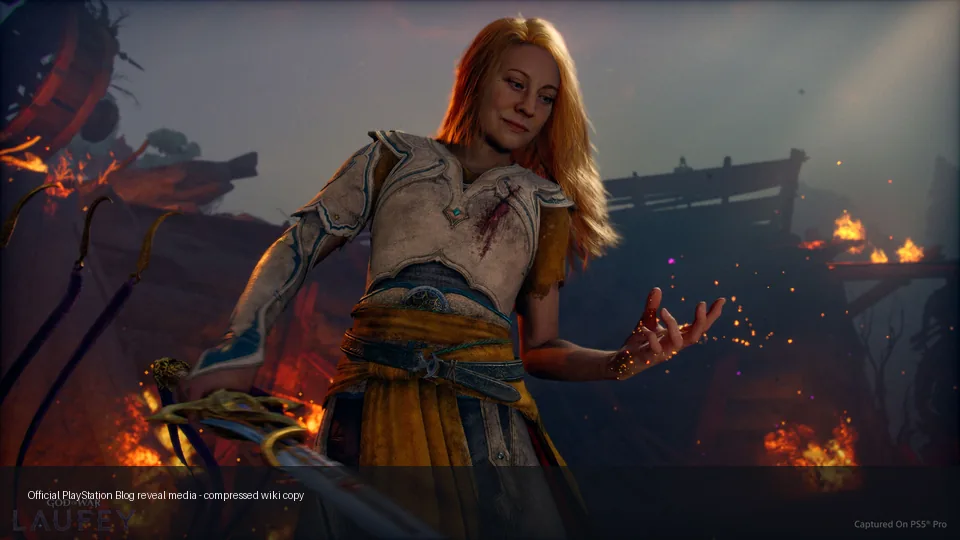
Sekhmet's striking reveal can attract character searches, but the official product framing remains centered on Faye. That matters for page scope: this guide explains one encountered figure and her mythology boundary. It does not replace the broader Faye profile, cast guide, gameplay guide, or gods-and-pantheons overview.
Confirmed vs inferred
How to interpret Sekhmet without turning a screenshot into a plot summary
First-party wording and visible official media are the strongest evidence. They support the name Sekhmet, her Egyptian visual identity, her presence in the Everywhen, and a shared scene with Begtse. They do not support a precise mission name, faction chart, boss phase, romance, marriage, family connection, performer credit, or final outcome.
Mythology can suggest themes without proving mechanics. Sekhmet's traditional links to war and heat may fit a dangerous encounter; her protective and healing aspects could also support an ally, guardian, judge, or morally mixed role. A strong guide should preserve both possibilities rather than selecting the most dramatic one for a headline.
This boundary also prevents search cannibalization. The gods-and-pantheons page compares multiple traditions; the cast page tracks performers; the trailer page explains footage; the gameplay page covers combat systems. This Sekhmet page owns the single-entity query and gives readers enough context to evaluate future announcements.
Update watchlist
What future official updates must clarify
The page should change only when first-party material resolves one of these open questions.
Character role
Look for official wording that identifies Sekhmet as an ally, enemy, boss, ruler, guide, prisoner, or neutral figure.
Begtse relationship
A shared screenshot is not a relationship label. Dialogue, biographies, captions, or quest material must establish why the two figures appear together.
Voice performer
Do not assign a voice actor from resemblance, rumor, social follows, or fan databases. Add the credit only after PlayStation, Santa Monica Studio, or the performer confirms it.
Combat and outcome
A future gameplay sequence may show abilities or a fight, but even combat footage should not be used to invent the final result or the character's full allegiance.
Source check
Official and historical sources for this guide
The game-specific claims were checked on July 20, 2026 against PlayStation's June 2 first-look article and the official God of War Laufey product page. The local images are compressed editorial copies of PlayStation media, cropped only for focus and performance.
The mythology section uses museum and encyclopedia context to explain why Sekhmet is associated with both destructive and protective power. Mythological background is not used as proof of a game quest, mechanic, actor, faction, or ending.
Evidence rules
- Prefer current PlayStation or Santa Monica Studio wording over fan summaries.
- Use official screenshots to confirm appearance, not hidden relationships or mission order.
- Keep Egyptian mythology context separate from God of War Laufey canon.
- Update the page when a role, actor, dialogue scene, or combat encounter is officially published.
FAQ
God of War Laufey Sekhmet questions
Who is Sekhmet in God of War Laufey?
Sekhmet is an Egyptian mythological figure named in PlayStation's first-look material and shown in official media within the Everywhen. Her exact story role has not been announced.
Is Sekhmet a boss in God of War Laufey?
Not confirmed. The official material supports her appearance, but it does not label her as a boss, enemy, ally, companion, or playable character.
Is Sekhmet married to Begtse?
No official source currently establishes a marriage or family relationship. The two appear together in an official screenshot, which proves scene context only.
Who voices Sekhmet in God of War Laufey?
No first-party performer credit for Sekhmet has been confirmed in the sources checked on July 20, 2026. Fan casting and database guesses should not be treated as official.
Why does Sekhmet matter to the Everywhen story?
Her presence is strong evidence that the Everywhen can connect Egyptian divine traditions with Faye's journey beyond the Norse world. The exact reason Faye meets her remains unknown.